Chaste Tree Vitex Berries: Herbal Wisdom for Hormonal Harmony
Société Team
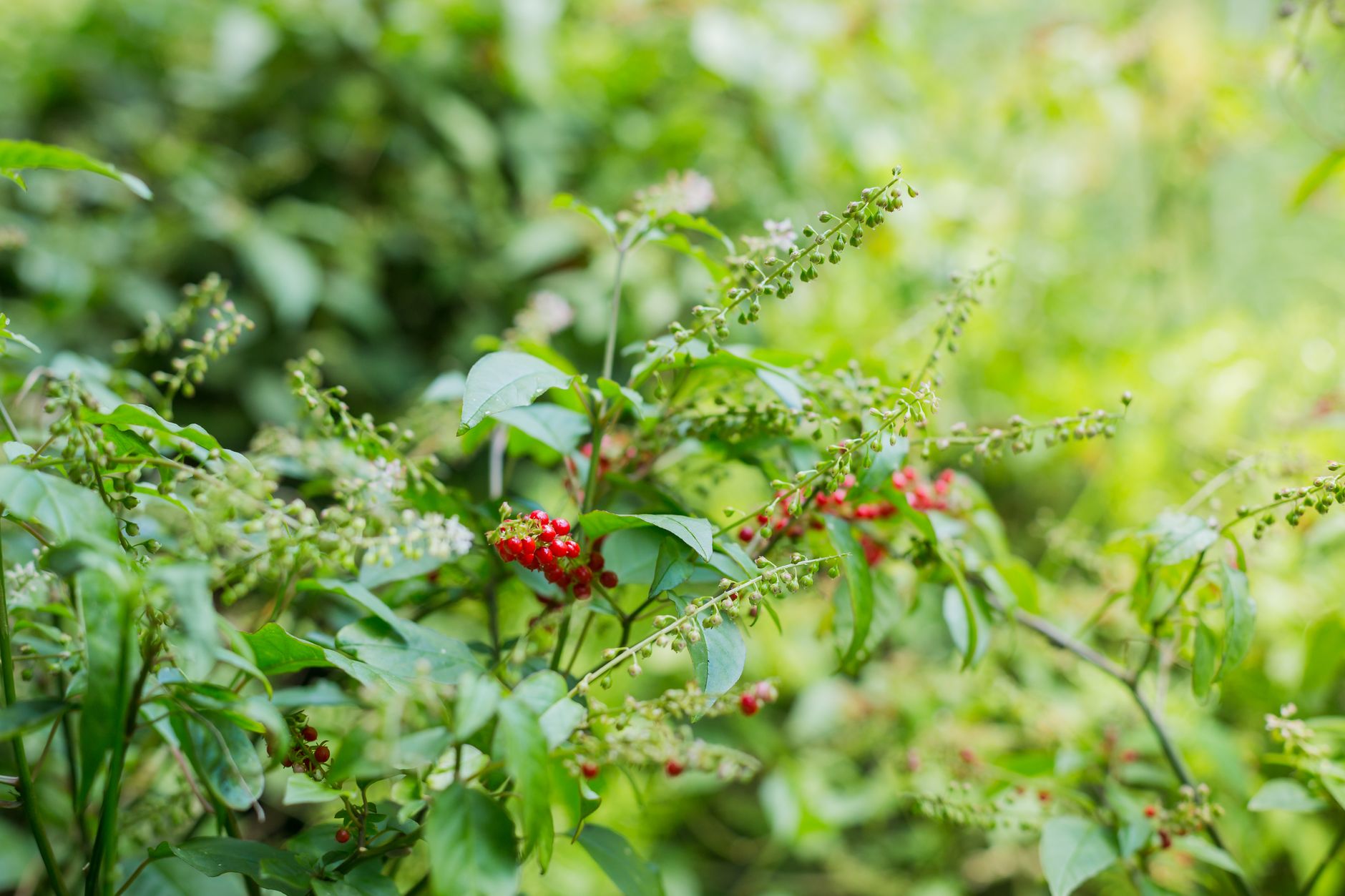
The Ancient Herb That Earned Its Name Few herbs carry as rich a legacy as the Chaste Tree, known botanically as Vitex agnus-castus . For more than two thousand years, this fragrant, flowering shrub has held a place of deep reverence in herbal medicine traditions across the Mediterranean, Europe, and beyond. Its very name tells a story. Vitex agnus-castus translates loosely to "chaste lamb," a nod to its historical reputation for calming desire and supporting the vows of celibacy taken by monks and priests. Yet today, this herb is celebrated far more for its profound ability to support hormonal balance and menstrual wellness in women of all ages. Understanding what vitex chaste tree is used for — and why it has endured as a cornerstone of herbal wisdom — requires a closer look at the plant itself. > "The fruit of the Chaste Tree is warming and drying, and is good against the diseases of women." > — From a classical European herbal text, circa 16th century --- MATERIA MEDICA Scientific Name: Vitex agnus-castus Common Names: Chaste Tree, Vitex, Chasteberry, Monk's Pepper, Abraham's Balm, Hemp Tree Family: Lamiaceae (Mint family) Is chaste tree the same as vitex? Yes — "chaste tree" and "vitex" are simply two names for the same plant. The terms are used interchangeably in herbal and botanical contexts. Physical Description Vitex is a deciduous, multi-stemmed shrub or small tree that typically grows between 5 and 15 feet tall in cultivation. Its palmate leaves are deeply divided into five to seven lance-shaped leaflets, closely resembling those of hemp, and carry a distinctly aromatic, peppery fragrance when crushed. In late summer, the plant produces elegant spikes of small, lavender-to-violet flowers that attract pollinators in abundance. These flowers give way to small, round, dark berries — roughly the size of peppercorns — that are the primary part used in herbal medicine. The dried berries carry a complex, spicy, slightly bitter aroma. They are sometimes called Monk's Pepper because they were historically ground as a culinary spice in monastery kitchens. --- Habitat and How to Care for a Vitex Chaste Tree Vitex agnus-castus is native to the Mediterranean basin and central Asia, thriving in warm, dry climates with well-drained, rocky, or sandy soils. It grows abundantly along riverbanks, coastal areas, and hillsides across southern Europe and the Middle East. In home gardens, vitex is prized as an ornamental and medicinal shrub. How to care for a vitex chaste tree is relatively straightforward — it prefers full sun, tolerates drought once established, and benefits from hard pruning in early spring to encourage vigorous new growth and abundant berry production. It is hardy in USDA zones 6 through 9 and has naturalized across parts of the southeastern United States, where it is sometimes considered invasive due to its enthusiastic spread. --- Harvest and Collection The berries are harvested in late summer to early autumn , once they have fully ripened to a deep grayish-purple or near-black color. Timing is important — berries collected too early may have reduced potency. Harvest by hand or by gently stripping berry clusters from the branches Dry berries in a single layer on mesh screens in a warm, well-ventilated area out of direct sunlight Store dried berries in an airtight glass jar, away from heat and moisture Properly dried berries remain potent for up to two years --- Parts Used, Qualities, and Energetics Parts Used: Ripe dried berries (seeds) Qualities: Dry, slightly warm, aromatic, mildly bitter and pungent Why is vitex called chaste tree? The name originates from its historical use to reduce libido and support chastity among monks and clergy. Modern herbalism, however, focuses much more on its remarkable ability to regulate hormonal cycles. Energetics In traditional Western herbal frameworks, Chaste Tree Vitex Berries are considered warming and drying in nature. They carry an affinity for the pituitary gland and the reproductive system, working gently but persistently over time to restore balance rather than forcing a rapid shift. From an energetic standpoint, vitex is seen as a regulating and harmonizing herb — one that supports the body's own intelligence rather than overriding it. --- Actions and Chemical Constituents Actions Hormone-regulating — influences prolactin and progesterone pathways Emmenagogue — encourages regular menstrual flow Nervine — gently calms the nervous system Adaptogenic — supports the body's response to stress over time Galactagogue — traditionally used to support milk production in nursing mothers Anti-inflammatory — soothes systemic inflammation Analgesic — may ease menstrual cramping and PMS-related discomfort Chemical Constituents Iridoid glycosides (aucubin, agnuside) — key bioactive compounds linked to hormonal activity Flavonoids (casticin, luteolin, apigenin) — anti-inflammatory and antioxidant properties Essential oils (1,8-cineole, sabinene, limonene) — aromatic, antimicrobial Diterpenes (rotundifuran, vitexilactone) — receptor-binding activity Alkaloids — minor constituents contributing to overall action Fatty acids — nutritive support Research suggests that iridoid glycosides , particularly agnuside, are primarily responsible for vitex's influence on the pituitary gland, where it appears to modulate the release of luteinizing hormone (LH) and gently lower elevated prolactin levels. --- Indications and Traditional Uses Chaste tree berries vitex agnus-castus benefits are most widely recognized in the context of women's reproductive health, though the herb's applications are broader. Traditional Uses Include: Premenstrual syndrome (PMS) — particularly for symptoms driven by progesterone deficiency or elevated prolactin, such as breast tenderness, mood changes, bloating, and irritability Irregular or absent menstruation — helping to reestablish a consistent cycle Perimenopause and menopause transition — easing hormonal fluctuations Hyperprolactinemia — supporting normal prolactin levels Luteal phase deficiency — traditionally used to support fertility Acne linked to hormonal imbalance — particularly cyclical breakouts Post-pill hormone rebalancing — supporting the body as it re-establishes its own hormonal rhythm Chaste tree berry vitex benefits are best experienced over consistent, longer-term use — most traditional practitioners and modern herbalists recommend a minimum of three to six menstrual cycles before evaluating its full effect. Important note: Vitex is not recommended during pregnancy. Those on hormonal medications or dopamine-related treatments should consult a qualified practitioner before use. --- 3 Recipes to Explore Chaste Tree Vitex Berries at Home Recipe 1: Simple Chaste Tree Berry Vitex Tea A daily chaste tree berry vitex tea is one of the most traditional and effective ways to work with this herb. The tea has a pleasantly spicy, peppery flavor with subtle bitter notes. Ingredients: - 1 teaspoon whole or lightly crushed dried vitex berries - 8 oz filtered water - Optional: a small slice of fresh ginger, a cinnamon stick, or a few dried rose petals for flavor - Optional: raw honey to taste Preparation: 1. Bring water to a full boil in a small saucepan. 2. Add the dried vitex berries (and any optional additions). 3. Reduce heat and gently simmer for 10–15 minutes to ensure the hard berries release their constituents fully. 4. Remove from heat and steep an additional 5 minutes. 5. Strain into your cup and sweeten lightly if desired. 6. Drink one cup each morning, ideally at the same time daily. Consistent daily use is key for hormonal benefits. --- Recipe 2: Vitex Berry Tincture A tincture is an excellent way to preserve and concentrate the active compounds in vitex berries, and it's easy to make at home with just a few supplies. This method is ideal as a chaste tree berry vitex supplement for those who prefer an alcohol-based preparation. Ingredients: - ½ cup dried vitex berries, lightly crushed - 1 cup 80-proof vodka (or food-grade vegetable glycerin for an alcohol-free version) - A clean glass jar with a tight-fitting lid Preparation: 1. Place the lightly crushed dried vitex berries into your clean glass jar. 2. Pour the vodka (or glycerin) over the berries, ensuring all plant material is fully submerged. Add more liquid if needed. 3. Seal the jar tightly and label it with the date. 4. Store in a cool, dark place for 4–6 weeks, shaking the jar gently every day or two. 5. After 4–6 weeks, strain the liquid through cheesecloth or a fine mesh strainer, pressing the plant material firmly to extract all liquid. 6. Pour the finished tincture into a dark glass dropper bottle and label clearly. 7. Use: Take ¼ to ½ teaspoon (1–2 ml) in a small amount of water each morning. Do not exceed recommended use and consult a practitioner for personalized guidance. --- Recipe 3: Warming Vitex and Spice Oxymel An oxymel — a traditional preparation made with honey and vinegar — is a wonderful way to make vitex more palatable and to layer in warming digestive herbs that complement its slightly bitter character. This makes a lovely chaste tree berry vitex supplement that can also be drizzled over oatmeal or stirred into warm water. Ingredients: - 2 tablespoons dried vitex berries, lightly crushed - 1 teaspoon dried ginger root - ½ teaspoon dried cinnamon chips - ½ cup raw apple cider vinegar - ½ cup raw honey - A clean glass jar with a non-metal lid (or place parchment between jar and metal lid) Preparation: 1. Combine the dried vitex berries, ginger, and cinnamon in your glass jar. 2. Gently warm the honey until it is just liquid and easy to pour — do not boil. 3. Pour the apple cider vinegar and the warmed honey over the herbs. Stir well to combine. 4. Seal the jar (using parchment paper under a metal lid to prevent corrosion from the vinegar). 5. Store in a cool, dark place for 3–4 weeks, shaking or stirring every few days. 6. Strain, pressing herbs firmly, and bottle in a clean glass jar. Store in the refrigerator for up to 6 months. 7. Use: Take 1–2 teaspoons daily in the morning, diluted in warm water or taken straight. The honey tempers the bitterness beautifully. --- Bringing Ancient Herbal Wisdom Into Your Daily Ritual The enduring story of Chaste Tree Vitex Berries is one of patience, rhythm, and trust in the body's own wisdom. This is an herb that does not rush — it works in harmony with the natural cycles of the body, gently encouraging balance rather than forcing change. Whether you choose a warming morning tea, a potent tincture, or a honey-sweetened oxymel, consistency and intention are what allow this ancient botanical ally to do its finest work. As with all herbal medicine, individual responses vary , and vitex is best used as part of a broader commitment to wellness that includes nourishing food, restorative sleep, and mindful stress management. --- Explore Vitex Berries from Societe If you're ready to bring this time-honored herb into your own wellness practice, Societe offers high-quality dried Chaste Tree Vitex Berries sourced with care and integrity. Visit societeapothecary.com/product/chaste-tree-vitex-berries/ to explore and order your supply. We'd love to support you on your journey toward natural hormonal harmony.