Chaparral Leaf: The Desert's Ancient Guardian of Herbal Wisdom
Société Team
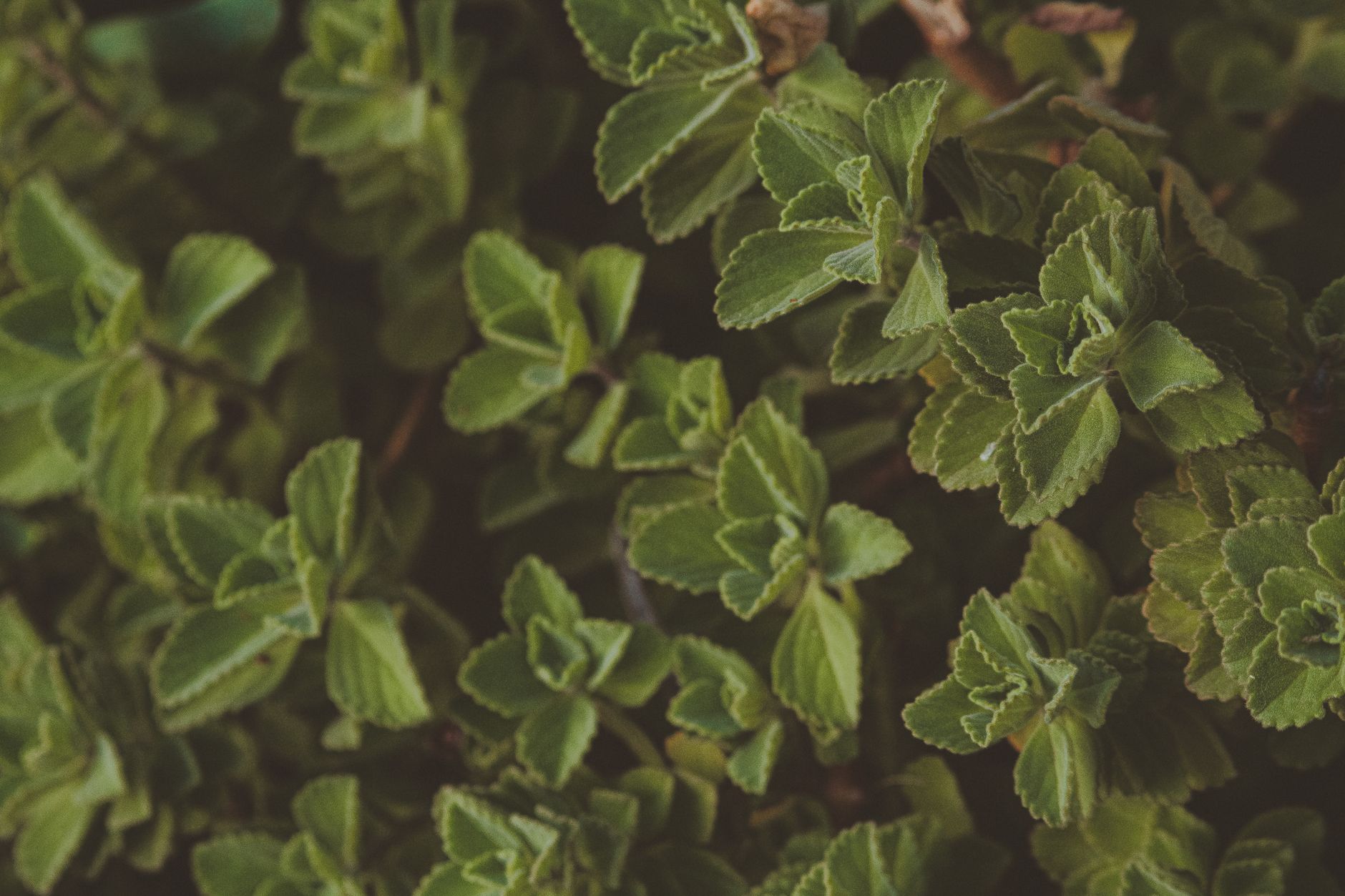
A Desert Sentinel With Deep Roots in Herbal Wisdom In the sun-scorched landscapes of the American Southwest and northern Mexico, one plant has stood as a testament to resilience and medicinal power for thousands of years. Chaparral Leaf , harvested from the creosote bush, carries a reputation as one of the most potent and complex herbs in North American botanical traditions. Long before modern herbalism gave it a clinical name, Indigenous peoples of the Sonoran and Mojave deserts regarded this resinous shrub as a sacred and indispensable ally. Its sharp, medicinal fragrance — unmistakable after desert rain — signals the presence of a plant that has survived where little else can. Today, Chaparral Leaf occupies a fascinating and sometimes controversial place in herbal wellness circles. Its powerful antioxidant properties and traditional uses make it a subject of ongoing study and deep respect among those who practice plant-based healing. > "The creosote bush does not merely survive the desert — it defines it. And in doing so, it offers the desert's own medicine: concentrated, resilient, and unyielding." > — Traditional Southwestern herbalist saying --- MATERIA MEDICA Scientific Name: Larrea tridentata Common Names: Chaparral, Creosote Bush, Greasewood, Gobernadora ("the governess"), Hediondilla ("little stinky one") Family: Zygophyllaceae Parts Used: Leaves and small stems Taste: Bitter, resinous, pungent Energetics: Cooling, drying Native Range: Chihuahuan, Sonoran, and Mojave Deserts of North America Physical Description Chaparral is a low-growing, evergreen desert shrub that typically reaches two to four feet in height, though older specimens can grow considerably taller. Its small, waxy, dark green leaves are coated in a resinous substance that gives the plant its characteristic tarry scent and helps it resist moisture loss in extreme heat. The leaves grow in opposite pairs, each divided into two asymmetrical leaflets, giving the plant a delicate yet textured appearance. Bright yellow flowers bloom in spring, followed by small fuzzy white seed pods that disperse easily on the desert wind. One of the most remarkable facts about Larrea tridentata is its longevity. Some individual clonal colonies are believed to be among the oldest living organisms on Earth, with certain ring formations estimated to be over 11,000 years old. --- Habitat and Growing Conditions Chaparral thrives in arid and semi-arid desert environments where most plants cannot survive. It is most abundant across the Mojave, Sonoran, and Chihuahuan deserts, growing in open flats, rocky slopes, and gravelly washes. The plant is extraordinarily drought-tolerant, able to survive extended periods without water by entering a dormant-like state. It grows in alkaline, low-nutrient soils at elevations ranging from sea level to about 5,000 feet. Chaparral is also allelopathic — it releases chemicals into the surrounding soil that inhibit the growth of competing plants, effectively governing its own territory. This is the origin of its Spanish nickname, Gobernadora . --- Harvest and Collection Ethical wildcrafting of Chaparral Leaf requires both knowledge and care. The plant grows slowly and contributes significantly to fragile desert ecosystems. Harvest small stem tips and leaves in spring or early summer, when resin content is highest. Choose healthy, robust plants and never take more than 20% of any single shrub. Dry harvested leaves quickly in a warm, well-ventilated space away from direct sunlight to preserve volatile compounds. Store dried leaf in airtight glass containers away from heat and humidity. Always wildcraft with permission on appropriate land, or source from reputable, sustainably managed suppliers. The resinous coating on the leaves means they dry relatively quickly and retain their potency well when stored properly. --- Energetic Properties and Traditional Uses Within traditional herbal frameworks, Chaparral's energetic properties are characterized as strongly cooling and drying. This profile makes it particularly well-suited for conditions involving heat, inflammation, and excess moisture or stagnation in the body. For centuries, Indigenous healers of the desert Southwest incorporated Chaparral Leaf into a wide array of traditional uses. The Pima, Papago, and Cahuilla peoples used it as a wash for wounds and skin conditions, as a tea for respiratory complaints, and as a ceremonial purifying herb. Its deeply resinous nature was understood as a kind of concentrated desert intelligence — the plant's own survival strategy translated into medicine for those who knew how to work with it. This aspect of herbal wisdom passed between generations without written record, living instead in practiced hands and careful observation. --- Actions and Chemical Constituents Actions Antioxidant — one of the richest known plant sources of NDGA (nordihydroguaiaretic acid) Anti-inflammatory — supports reduction of inflammatory pathways Antimicrobial — active against a range of bacteria and fungi Alterative — traditionally used to support the body's natural elimination processes Antiparasitic — used historically against external and some internal parasites Expectorant — supports respiratory clearing Vulnerary — promotes healing of skin and tissues when applied topically Chemical Constituents Nordihydroguaiaretic acid (NDGA) — a powerful antioxidant lignan; the dominant active compound Flavonoids — including quercetin and kaempferol derivatives Essential oils — responsible for the characteristic resinous scent Resins — constitute up to 10–20% of dry leaf weight Tannins — contribute astringent and antimicrobial properties Wax compounds — part of the plant's protective surface coating Saponins — present in smaller concentrations --- Indications Chaparral Leaf has been indicated in traditional and contemporary herbal practice for a wide range of concerns. As always, working with a knowledgeable herbalist is recommended for therapeutic applications. Skin conditions including eczema, psoriasis, and fungal infections (primarily topical use) Respiratory congestion and chronic cough Arthritic and rheumatic conditions Wound healing and infected sores (topical) General antioxidant and cellular protective support Digestive sluggishness and parasitic concerns Urinary tract support (traditional use) A note on safety: Chaparral Leaf is a potent herb and should be used with appropriate caution. Internal use is generally recommended only short-term and under guidance, as high doses or prolonged use have been associated with liver stress in sensitive individuals. It is not recommended during pregnancy or for those with pre-existing liver conditions. --- 3 Practical Recipes Featuring Chaparral Leaf Recipe 1: Classic Chaparral Leaf Tea (Short-Term Infusion) This simple preparation draws on the most traditional method of working with this herb — a light infusion used for respiratory support and general wellness. Ingredients: - 1 teaspoon dried Chaparral Leaf - 2 cups filtered water - Optional: 1 teaspoon raw honey or a slice of fresh ginger to soften the bitter flavor Preparation: 1. Bring water to just below boiling (approximately 190°F). 2. Place the dried Chaparral Leaf in a tea strainer or reusable muslin bag. 3. Pour the hot water over the leaves and steep for 8–10 minutes — no longer, as over-steeping intensifies bitterness. 4. Remove the strainer and sweeten lightly if desired. 5. Drink one cup, once daily, for no more than 1–2 weeks at a time. Rest before resuming. The flavor is bold, resinous, and distinctly medicinal — approach it as a purposeful healing tea rather than a casual beverage. --- Recipe 2: Chaparral Leaf Topical Salve for Skin Support This salve captures Chaparral's vulnerary and antimicrobial properties in a nourishing base ideal for dry, irritated, or troubled skin. Ingredients: - ½ cup dried Chaparral Leaf - 1 cup organic olive oil (or coconut oil) - ¼ cup beeswax pellets - 10 drops lavender essential oil (optional, for soothing scent) - Small glass salve tins or jars Preparation: 1. Combine the dried Chaparral Leaf and olive oil in a double boiler or slow cooker set to the lowest heat. 2. Infuse on low heat for 4–6 hours, stirring occasionally. Do not allow the oil to boil. 3. Strain the infused oil thoroughly through cheesecloth, pressing to extract all liquid. Discard the spent plant material. 4. Return the strained oil to a clean double boiler. Add the beeswax pellets and stir gently over low heat until fully melted. 5. Remove from heat. Allow to cool slightly, then stir in lavender essential oil if using. 6. Pour into small tins or glass jars and allow to set completely before capping. 7. Apply a thin layer to affected skin areas as needed. Patch-test first on a small area of skin. This salve keeps well for up to 12 months when stored in a cool, dark location. --- Recipe 3: Chaparral Leaf Glycerite (Alcohol-Free Extract) For those who prefer to avoid alcohol-based tinctures, a glycerite is an excellent alternative that captures a broad range of Chaparral's beneficial compounds in a gentler, sweeter medium. Ingredients: - ¼ cup dried Chaparral Leaf, lightly crushed - ¾ cup food-grade vegetable glycerin - ¼ cup distilled water - A clean, sterilized glass jar with a tight lid Preparation: 1. Combine glycerin and distilled water in the glass jar and stir to mix. 2. Add the crushed dried Chaparral Leaf to the liquid. 3. Seal the jar tightly and shake well to coat all plant material. 4. Place the jar in a warm, dark location (a cabinet near — but not on — a heat source works well). 5. Shake the jar once daily for 4–6 weeks. 6. After the maceration period, strain through a fine mesh strainer and cheesecloth, pressing firmly. 7. Pour the finished glycerite into a dark glass dropper bottle and label with the date. 8. Use ½ to 1 teaspoon diluted in water or juice, once daily, for short-term wellness support. Consult an herbalist for extended use guidance. Glycerites typically have a 1–2 year shelf life and should be stored away from direct light and heat. --- Bringing Chaparral Leaf Into Your Wellness Practice Chaparral Leaf is not an herb for casual, everyday use — and that distinction is part of what makes it so respected within traditional herbal wisdom circles. It is a plant that commands attention, knowledge, and intention. When approached thoughtfully, it represents some of the most concentrated antioxidant and antimicrobial power that the North American plant kingdom has to offer. Its long history of traditional uses, combined with the depth of its chemical constituents and energetic properties , places it firmly in the category of herbs worth understanding deeply. Whether you are exploring it topically, preparing a short-term tea, or crafting a glycerite for your home apothecary, Chaparral Leaf rewards careful, educated engagement. If you're ready to explore this remarkable desert herb, you can find high-quality, responsibly sourced dried Chaparral Leaf directly through Societe at societeapothecary.com/product/chapparal-leaf/ . We'd love to be part of your herbal journey — come explore what the desert's ancient guardian has to offer.